www.theoxfordscientist.com
Breaking News Breaking News Breaking News Breaking News Breaking News Breaking News Breaking News
... new YouTube channel - ... it becomes necessary - created by theoxfordscientist.com
_ _ _
_ _ _
,
Donald Trump - first US ex-president to stand trial to face criminal charges,
but Trump is not the first president to be arrested, charged and booked, for a court appearance
... loser Trump, not 1st, but 2nd president to be arrested -
read article, click here
_ _ _
Donald Trump - first US ex-president to stand trial to face criminal charges,
but Trump is not the first president to be arrested, charged and booked, for a court appearance
... loser Trump, not 1st, but 2nd president to be arrested -
read article, click here
_ _ _
Trump indicted, again
grand jury indicts on 7 charges, 37 counts, including espionage,
obstruction, and making false statements
Trump arraigned in another courtroom
point of clarification
Although, some Republicans, cry foul, and suggest that Trump is being treated differently, than the subjects other high-profile investigations into retained government documents by former elected officials, such as Biden and Pence, however, the indictment explains clearly the difference between the Trump case and the others, to wit:
Trump case is not about what government documents were taken per se, it concerns what Trump did with the documents he retained after the government sought to have him return the documents, he retained.
In fact and in law, had Trump returned all the documents he retained to the archives, when requested to do so, it is highly unlikely that he would have been charged with any crimes, whatsoever.
He did not, and has been charged, accordingly.
Nothing more, and nothing, less.
_ _ _ _
Trump case is not about what government documents were taken per se, it concerns what Trump did with the documents he retained after the government sought to have him return the documents, he retained.
In fact and in law, had Trump returned all the documents he retained to the archives, when requested to do so, it is highly unlikely that he would have been charged with any crimes, whatsoever.
He did not, and has been charged, accordingly.
Nothing more, and nothing, less.
_ _ _ _
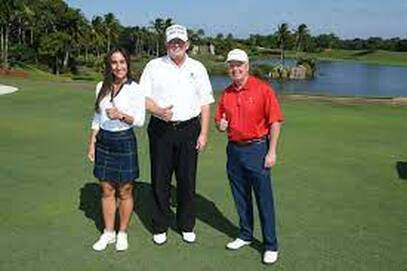
... fake Rothchild banking heiress, Trump and Lindsey Graham, at Mar-a-lago
... fear is that Trump, shared his trophies, classified documents, to impress her, and many others
_ _ _
... fear is that Trump, shared his trophies, classified documents, to impress her, and many others
_ _ _
Unsealed indictment document
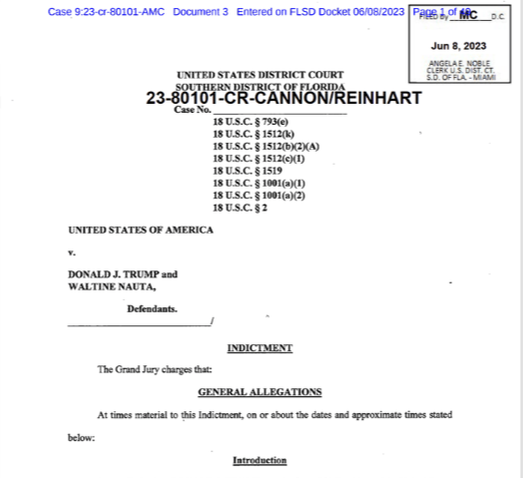
Trump indicted, 30 March 2023
... arraigned and arrested, Tuesday, 4 April, in New York City
... daughter Ivanka, who billed the federal government nearly 10 million dollars, for consultancy
services, while she was a federal employee working in the White House, which is illegal, said that
she was pained, after she learned that her father had been indicted, while her own indictment, looms
... comments by senator Lindsey Graham, and former vp Mike Pence are simply non-sensical, and are
analogous to Bill Barr's interpretation of the Mueller report, before what it actually contained was known
All the news presenters and other pundits, who state emphatically that on the 4th of April 2023, in
New York City, Trump will face accountability for the first time in a court of law, have gotten it wrong.
Correctly stated, on the 4th of April, in a courtroom, in New York City,
Donald Trump will face accountability for the first time, as an adult.
"... at the age of 13, Donald Trump had been deemed (adjudged), in fact and in law, to be an incorrigible,
and was sentenced (plea deal to avoid a detention center) to 5 years mandatory detention in a military
academy boarding school until he was 18." (click link, below, relevant section is at bottom of the page)
- https://www.theoxfordscientist.com/conklin-to-buffalo.html
... the evidence presents a case against Donald Trump, not Michael Cohen, who has
already been indicted, arraigned, arrested, tried, convicted and jailed, for actions he
undertook in coordination with and at the direction of Individual-1, Donald J Trump
already been indicted, arraigned, arrested, tried, convicted and jailed, for actions he
undertook in coordination with and at the direction of Individual-1, Donald J Trump
E LaMont Gregory MSc Oxon
... only the likes of Fox News, little-Fox News, CNN, and sly-Fox News, MSNBC,
what accounts for the largely Republican broadcast media, could try and make
Trump's visit to Waco, Texas, an important news story, without calling attention
to his suborning violence and his overt nationalist appeals to racial resentment.
Trump called upon his supporters, as he had on the 6th of January, to protest, against
duly elected and confirmed officials, who loyal to their oaths of office, without malice,
and the facts of Trump's unlawful behavior, for which there is prima facie evidence that
Trump had committed criminal violations, and have prepared indictments against him.
Trump describes these officials in racist and in de-humanizing terms, none of which
alters their often slow, but progressive march to charge, indictment, arrest, and trial.
to read complete article, click on link below:
https://www.theoxfordscientist.com/wacko-in-waco.html
E LaMont Gregory MSc Oxon
... only the likes of Fox News, little-Fox News, CNN, and sly-Fox News, MSNBC,
what accounts for the largely Republican broadcast media, could try and make
Trump's visit to Waco, Texas, an important news story, without calling attention
to his suborning violence and his overt nationalist appeals to racial resentment.
Trump called upon his supporters, as he had on the 6th of January, to protest, against
duly elected and confirmed officials, who loyal to their oaths of office, without malice,
and the facts of Trump's unlawful behavior, for which there is prima facie evidence that
Trump had committed criminal violations, and have prepared indictments against him.
Trump describes these officials in racist and in de-humanizing terms, none of which
alters their often slow, but progressive march to charge, indictment, arrest, and trial.
to read complete article, click on link below:
https://www.theoxfordscientist.com/wacko-in-waco.html
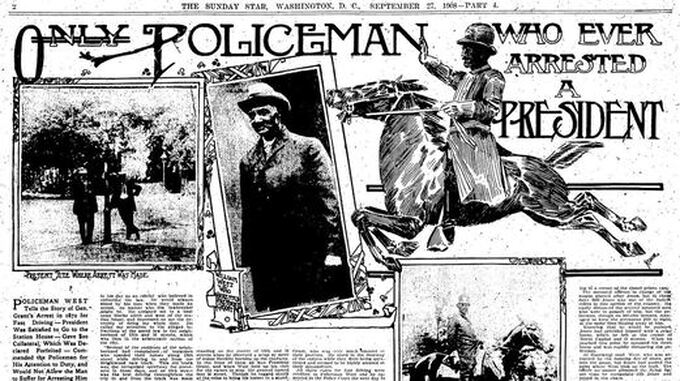
In 1872, President Ulysses S Grant found himself on the wrong side of the law for speeding,
Trump, in second place, yet again
... wacko* in Waco of all places, speaks of death and destruction,
unhinged, does not begin to describe the mental aberration on display here
_ _ _
Trump, in second place, yet again
... wacko* in Waco of all places, speaks of death and destruction,
unhinged, does not begin to describe the mental aberration on display here
_ _ _
11 September 2001 - 2023
... at the end of every road, there is a mirror
E LaMont Gregory MSc Oxon
11 September 2001 - 2023
... at the end of every road, there is a mirror
E LaMont Gregory MSc Oxon
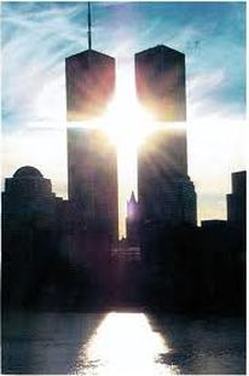
Twin Towers of the World Trade Center
The question is, why?
why 1993 and, why 2001?
The question is, why?
why 1993 and, why 2001?
A week before the 11th of September 2001, according to an exclusive interview published in the Evening Standard of London on the 16th of September, the German Federal Police had in their custody an individual who shared an apartment in Hamburg with the Saudi pilot Atta, before he departed Germany on a rather torturous route into the United States, the city of Boston, Massachusetts, and finally Logan Airport.
And, he was telling the German Federal Police a fantastic story. He spoke of an event planned for the United States in which some of those who lived in the apartment with him would be involved, that in his words 'would change the world, as we know it.'
What happened over the course of the week leading up to the events of 9/11, should remind each and every one of us that communications between the United States and our allies are critical to our national security, and to theirs.
A lesson that fell upon deaf ears in the four years of a tumultuous Trump administration and presidency. It is difficult to convey just how shallow and desperate the Trump administration was, but it is necessary to tell it, nonetheless.
The German Federal police, as is customary, dutifully posted the information they gained from their interrogations on the network of international police services. And, in addition, made specific and direct communications with British and American intelligence services and then the wider network of European and select other regional capitals. Yet, and to the utter amazement of the German Federal Police, no one responded.
Desperation, is not a description that one can attribute easily, if at all, to the most least likely to moralize excessively German federal police, intelligence and security officials, but in this singularly unique circumstance, the German authorities undertook extraordinary measures to illicit a response from their counterparts in London, Washington, Paris, Ottawa and beyond, but to no avail.
Finally, towards the end of the week before the event that would 'change the world, as we know it', the German Federal Police made a direct call to the White House, to 1600 Pennsylvania Avenue.
In the Hollywood thriller/drama movie, Air Force One, untoward circumstances on a flight compels the president to make a telephone call to the White House. The person who answers, when they are told that it is the president calling, treats that information with dismissive incredulity. Whereupon, the president, portrayed by Harrison Ford, tells the person on the other end of the phone at the White House to follow protocol and trace the call. They do, and the movie progresses with those in the White House now aware of the upheaval taking place on Air Force One.
One should realize that the telephone systems at the White House, at 1600 Pennsylvania Avenue, even in 2001 were then, and remain rather sophisticated. For example, most will be aware that any call made from a telephone at an airport is accompanied by audible beeps, which clearly identifies that the call originates from an airport. Well, the systems in the White House have enhanced capabilities to identify and distinguish incoming calls from officials domestic and foreign.
And, he was telling the German Federal Police a fantastic story. He spoke of an event planned for the United States in which some of those who lived in the apartment with him would be involved, that in his words 'would change the world, as we know it.'
What happened over the course of the week leading up to the events of 9/11, should remind each and every one of us that communications between the United States and our allies are critical to our national security, and to theirs.
A lesson that fell upon deaf ears in the four years of a tumultuous Trump administration and presidency. It is difficult to convey just how shallow and desperate the Trump administration was, but it is necessary to tell it, nonetheless.
The German Federal police, as is customary, dutifully posted the information they gained from their interrogations on the network of international police services. And, in addition, made specific and direct communications with British and American intelligence services and then the wider network of European and select other regional capitals. Yet, and to the utter amazement of the German Federal Police, no one responded.
Desperation, is not a description that one can attribute easily, if at all, to the most least likely to moralize excessively German federal police, intelligence and security officials, but in this singularly unique circumstance, the German authorities undertook extraordinary measures to illicit a response from their counterparts in London, Washington, Paris, Ottawa and beyond, but to no avail.
Finally, towards the end of the week before the event that would 'change the world, as we know it', the German Federal Police made a direct call to the White House, to 1600 Pennsylvania Avenue.
In the Hollywood thriller/drama movie, Air Force One, untoward circumstances on a flight compels the president to make a telephone call to the White House. The person who answers, when they are told that it is the president calling, treats that information with dismissive incredulity. Whereupon, the president, portrayed by Harrison Ford, tells the person on the other end of the phone at the White House to follow protocol and trace the call. They do, and the movie progresses with those in the White House now aware of the upheaval taking place on Air Force One.
One should realize that the telephone systems at the White House, at 1600 Pennsylvania Avenue, even in 2001 were then, and remain rather sophisticated. For example, most will be aware that any call made from a telephone at an airport is accompanied by audible beeps, which clearly identifies that the call originates from an airport. Well, the systems in the White House have enhanced capabilities to identify and distinguish incoming calls from officials domestic and foreign.
... espionage-a-lago
E LaMont Gregory MSc Oxon
... espionage-a-lago
E LaMont Gregory MSc Oxon
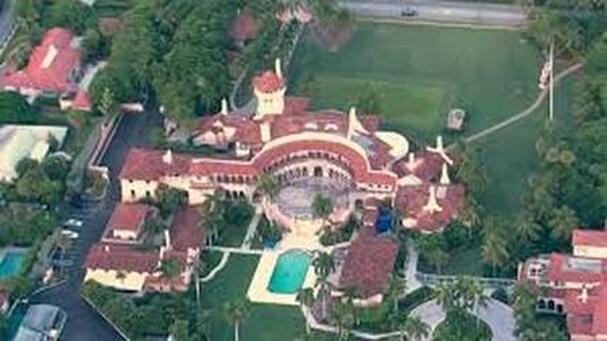
a federal crime scene
Secrets Found at Trump Palm Beach Property,
did Trump think they were worth $18 million, like
his feeble understanding of the Nixon papers?
Secrets Found at Trump Palm Beach Property,
did Trump think they were worth $18 million, like
his feeble understanding of the Nixon papers?
... criminal search warrant executed
If, one wants to filter the news as to what happened on the 8th of August 2022, at a property of a former occupant of 1600 Pennsylvania Avenue, one ought to pay particular attention to the words and phrases used to describe the events in Palm Beach on that day.
For the most part, the Conservative press and media, Republican conspiratorial politicians and pundits, as well as, the ubiquitous maga crowd, have simplistically parroted the contemporaneous comments by Trump that the Palm Beach property was '... under siege, raided, and occupied by a large group of FBI agents.'
And, of course, the Conservative press and media and their acolytes, refer to the country club and commercial event staging business property in Palm Beach, as a home, just one of the be it ever so humble residences of the Trump family criminal enterprise.
The defining words and phrases for identifying the illiberal media's telling of the story of the events of the 8th of August 2022 in Palm Beach, are reference to the execution of the search warrant as a raid, and the description of the crime scene commercial property as a family residence, a home.
In reality, through the careful process of dotting all and crossing all, which is part and parcel of a federal criminal investigation, it was established that the Palm Beach property was, in fact and in law, a crime scene. And, with proper authorization, the FBI executed a criminal search warrant on that property.
The property had become a crime scene, because Trump had, contrary to law, custom and administrative procedures, taken sensitive material from the White House, which includes documents from the CIA, the National Security Agency and the FBI, which are deemed critical to the national security of the United States, which he had neither the legal right to possess, nor to share with others, who had no legal right to see them.
For the most part, the Conservative press and media, Republican conspiratorial politicians and pundits, as well as, the ubiquitous maga crowd, have simplistically parroted the contemporaneous comments by Trump that the Palm Beach property was '... under siege, raided, and occupied by a large group of FBI agents.'
And, of course, the Conservative press and media and their acolytes, refer to the country club and commercial event staging business property in Palm Beach, as a home, just one of the be it ever so humble residences of the Trump family criminal enterprise.
The defining words and phrases for identifying the illiberal media's telling of the story of the events of the 8th of August 2022 in Palm Beach, are reference to the execution of the search warrant as a raid, and the description of the crime scene commercial property as a family residence, a home.
In reality, through the careful process of dotting all and crossing all, which is part and parcel of a federal criminal investigation, it was established that the Palm Beach property was, in fact and in law, a crime scene. And, with proper authorization, the FBI executed a criminal search warrant on that property.
The property had become a crime scene, because Trump had, contrary to law, custom and administrative procedures, taken sensitive material from the White House, which includes documents from the CIA, the National Security Agency and the FBI, which are deemed critical to the national security of the United States, which he had neither the legal right to possess, nor to share with others, who had no legal right to see them.
John King CNN
Within a few minutes of one another, John King of CNN covered two big news items, i.e., a plot by a foreign government to assassinate John Bolton, and the execution of a criminal search warrant on Trump's Palm Beach property ...
Trump lied about having nuclear secrets, and that lie constitutes obstruction of justice
In the subpoena issued to Trump, as a final effort, before requesting a search warrant from the courts, the DOJ specifically made reference to the existence of documents with a S/FRD classification that were being kept illegally at the Palm Beach property.
Trump denied having any documents with a S/FRD classification at the Palm Beach property.
The S/FRD classification designates a category of highly secret information concerning nuclear weapons and nuclear defensive and offensive capabilities.
In perspective, S/FRD documents involve highly guarded secrets, which even very few senior national security officials can see, or even know that they exist.
When specifically asked, Trump denied, and in writing that he had any such material at the Palm Beach property.
It should also be noted that Trump, when no news of the DOJ having found nuclear, S/FRD classification documents, emerged immediately after the search warrant was executed, Trump boasted publicly that the DOJ had not found any nuclear files and therefore, the whole search warrant was a bogus witch hunt, being propagated by the evil liberal news media, and democrats who had weaponized the legal system.
In fact and in law, Trump lied about having nuclear secrets, and that lie constitutes obstruction of justice.
Trump denied having any documents with a S/FRD classification at the Palm Beach property.
The S/FRD classification designates a category of highly secret information concerning nuclear weapons and nuclear defensive and offensive capabilities.
In perspective, S/FRD documents involve highly guarded secrets, which even very few senior national security officials can see, or even know that they exist.
When specifically asked, Trump denied, and in writing that he had any such material at the Palm Beach property.
It should also be noted that Trump, when no news of the DOJ having found nuclear, S/FRD classification documents, emerged immediately after the search warrant was executed, Trump boasted publicly that the DOJ had not found any nuclear files and therefore, the whole search warrant was a bogus witch hunt, being propagated by the evil liberal news media, and democrats who had weaponized the legal system.
In fact and in law, Trump lied about having nuclear secrets, and that lie constitutes obstruction of justice.
_ _ _ _ _ _
... voting patterns, and COVID-19 vaccination,
infection, and death rates in the US and Canada
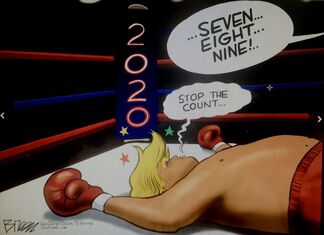
... stop the count
When faced with the preeminent challenge of his ill-fated presidency, the pandemic, rather than rise to the challenge,
as so many of his predecessor's had done in times of crises, Trump exhibited cowardice, and sought to act like the crisis did not exist
initially, and when that ruse proved impossible, it did exist, he began to suggest that the world, not Trump, was incompetent.
By August 2021, when a therapy to ward off the worst consequences of infection was readily available, the incompetent
former-president continued his cowardly ways, and just 50% of his voters in the 2020 general election had been vaccinated,
while 91%, in contrast, of those who voted for the winner, Biden, had been vaccinated.
Remembering, that herd immunity, which is actually a vaccination strategy, requires that well in excess of 80% of
a population must be vaccinated for it to be effectual.
E LaMont Gregory MSc Oxon
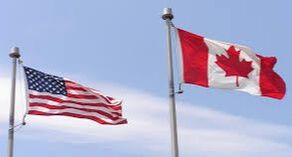
Voting demographics of the vaccinated and unvaccinated in the US & Canada
Sir, Medical science recognizes that individual as well as group behaviours are important
facilitators in the spread of disease and are, in turn, linked to epidemiological outcomes (1).
Recent evidence suggests that voting behaviour may be an important factor in disease spread facilitation.
In a county-by-county analysis of election results in the most recent US Presidential Election,
when compared to COVID-19 vaccination, infection, and death rates (2), revealed the following:
Vaccination rates in those counties with the highest number of votes for Trump were inversely related to
vaccination rates in those counties, that is, the counties with the highest number of votes for Trump,
also had the lowest vaccination rates.
The comparative analysis demonstrates a direct relationship between votes for Trump and COVID-19
infections and deaths, thus, the counties with the highest COVID-19 infection and death rates are also
the counties with the largest number of votes for Trump.
A comparative study of O'Toole voters and COVID-19 vaccination rates, infection and deaths in
Canadian counties (3), illustrates comparable inverse and direct relations between voting patterns and
COVID-19 vaccination rates and outcomes.
A specific analysis of the Prairie Provinces, Manitoba, Saskatchewan and Alberta, illustrates
the most pronounced association between support for O'Toole and low vaccination rates,
and high rates of infection and Covid-19 deaths.
It is noteworthy that Alberta, where O'Toole received one of his highest proportions
of the total provincial vote, a province with a mere 10 percent of the population of Canada,
by November 2021 had as many active COVID cases as the rest of Canada combined.
It is factually and reasonably understood as a result, that the abovementioned inverse and direct
relations between voting patterns, in terms of COVID-19 vaccination, infection and death rates,
hold true, both in the US and Canada.
These preliminary findings, although important, also draw attention to the need for a more in-depth
analysis of behaviors, which underpin these relations and their significance to our understanding
of the COVID-19 pandemic of 2019 - ... .
Especially, as we enter the fifth surge of the present pandemic, fueled largely by the
advent of mutations, mask-resistance, and the unvaccinated.
1. Funk et al. 2010
2. Ivory et al. 2021
3. E LaMont Gregory et al. 2021 - in process
also see:
the premier, the press, the pulpit & the pandemic
https://www.theoxfordscientist.com/-dont-cry-for-kenney-alberta.html
_ _ _ _ _ _
... insurrection
|
|
|
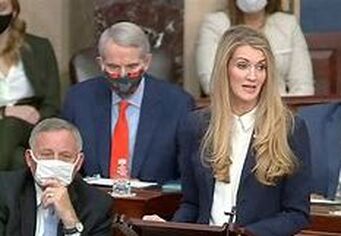
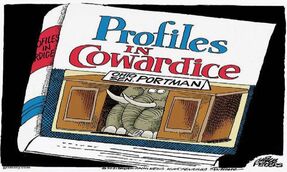
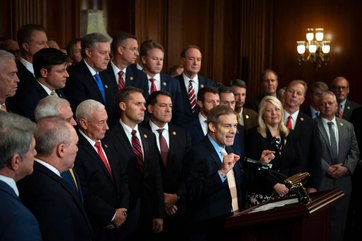
Ohio Rep addressing members of Benedict Donald J Trump's 126 member nationalist legislative militia (right).
Ohio Senator Portman, pictured (left) in the act of sedition, whose epitaph is pictured (center), is ensnarled in insurrection probe.
Jordan raised millions exhorting his Trump supporters not to get vaccinated to prevent Biden from reaching the goal of 70%
of Americans vaccinated by the 4th of July 2021. Jordan's use of that money came to the attention of the FEC, but Jordan and
other shady Republicans knew the two Republican members of the FEC would not pursue an investigation.
That strategy may not prove to safeguard them, because a federal judge, noting the fact that the two Republican members had not
pursued investigations of Republicans for well over a decade, has now allowed such complaints of misuse of campaign funds
to be brought directly to the courts. Jordan, Hawley and others are resting just a bit less easily.
Justice for Portman & Jordan may not come quickly, but justice cometh.
_ _ _
Ohio Senator Portman, pictured (left) in the act of sedition, whose epitaph is pictured (center), is ensnarled in insurrection probe.
Jordan raised millions exhorting his Trump supporters not to get vaccinated to prevent Biden from reaching the goal of 70%
of Americans vaccinated by the 4th of July 2021. Jordan's use of that money came to the attention of the FEC, but Jordan and
other shady Republicans knew the two Republican members of the FEC would not pursue an investigation.
That strategy may not prove to safeguard them, because a federal judge, noting the fact that the two Republican members had not
pursued investigations of Republicans for well over a decade, has now allowed such complaints of misuse of campaign funds
to be brought directly to the courts. Jordan, Hawley and others are resting just a bit less easily.
Justice for Portman & Jordan may not come quickly, but justice cometh.
_ _ _
... surveillance video evidence, release it now, Nancy P
Surveillance video, from the Capitol Building exists, which covers every second of every day leading
up to and including the murderous and seditious events of the 6th of January 2021.
A day that will live on in infamy, in the words of FDR.
30 federal legislators, documented weeks of rather odd tours, often venturing into areas rarely seen by your
garden-variety tourist, during a visit to the Capitol Building, being conducted by republican members of the
House and Senate, and their respective staff members. Including video recordings made by some of the
legislative observers on their personal cell phones.
When do we, the public, get to see the Capitol Building video surveillance evidence?
It will surprise no one as to the sophistication of the Capitol Building, post-9/11, video surveillance systems.
Had the Senate called witnesses during the impeachment trial in the Senate, especially that group of Justice
Department and National Security staff that have reviewed the weeks of footage, we would have seen members
of the Senate sitting in judgement of a case, in which they are, in fact and in law, subjects (persons of interest)
of the investigation.
It will be interesting to witness Mr Jordan and other Ohio federal legislators explain the visitors from
their districts, who have already been arrested and charged with multiple counts of federal crimes in
association with the 6th of January.
One of the border states congressmen, who figures in a number of the personal cell phone videos
made one or more of the 30 who first brought light onto this story, is indicative of the
likely republican response to being caught red handed, ' ... it is one of the great privileges' of being
a congressman, to be able to give tours of the Capitol Building to visitors', he exclaimed.
One of the delays, although a spurious one, concerns the normal and legitimate comings and goings of domestic
and foreign intelligence, military, security, treasury, policing and diplomatic personnel and operatives, who are
captured in those surveillance videos that could be of interest to some foreign or criminal organizations that such
and such individual from this or that agency was liaising with this, or that, member of this or that committee,
just before this or that happened. In a word, the tradecraft of spies and criminal groups, both foreign and domestic.
An equally important source of delay in releasing the surveillance videos, is the lack luster way the holdover
Director of the FBI has approached this case, surprise surprise.
126 white nationalist Representatives supporting Trump-backed Texas lawsuit,
shown here being addressed by an Ohio Representative, who suborned
students to commit perjury to conceal his ties to an OSU sex scandal case.
The Supreme Court of the United States threw out the case, 9-0. A blatant attempt
to nullify the votes of Americans of African origin, in a way that is overt racism, and constitutes a rebellion
against the United States, which precludes the 126 insurrectionists to serve in the US Congress.
This is not the first time in US history that white nationalists, have stood against the US Constitution,
while serving in the US Congress. And now, the names of the 126, shall be forevermore enshrined,
along side the traitors who signed the Articles of the Confederacy, while serving in the US Congress.
When Adam Schiff was asked if the 126 should be precluded from serving in the Congress,
as prescribed by the Constitution for willful violation of the 14th Amendment, he prevaricated.
This is the same Adam Schiff, who sat day after day in congressional hearings, and heard
the above pictured speaker (the 'brown shirt' one) claim at those hearings that Trump had,
where Obama had not, supplied the Ukraine with missiles to combat Russian tanks.
This author, supplied Adam Schiff, both through his California and DC offices, verifiable information,
that whereas, Trump had authorized the shipment of such missiles to the Ukraine, but they arrived with
a codicil attached to their delivery, which stated that 'the missiles could not be used in war'.
A cable news network also verified the story, and in one segment showed a group Ukrainian soldiers,
preparing an emplacement for a lancet missile launcher, while complaining bitterly to the news reporter
that the emplacement was all for show, because Trump's codicil on their use, precluded their use.
in process ...
The three Cowards -
McConnell, Pelosi, Trump, and fourth estate complicity
McConnell, is holding up relief for millions of Americans, because the business interests that control him,
want - a get of jail card - for any liability, should they not provide adequate safeguards for their employees,
and those same employees become infected, while in the workplace. And that provision alone
is the reason that millions of Americans face hunger, and extreme economic insecurity.
The fourth estate would have us believe that they, in the public interest, named the 126 insurrectionists,
when in fact and in law, they named themselves as signatories to the Texas voter disenfranchisement lawsuit.
Before the lawsuit was published, all we heard from the fourth estate was vague references to stirrings
emanating from unnamed staunch Trump supporters in the House of Representatives.
If, the fourth estate wanted to serve the public interest, they would name the business interests, who are
holding the US Senate hostage in their arm-twisting attempt to secure amnesty from corporate liability.
But, such a move would be suicidal, since the same business interests who are holding McConnell
hostage to the threat of the withdrawal of electioneering financial support, are one the same paymasters
of the advertiser revenue financed cable news and entertainment industry, emphasis placed on the latter.
If, the American people knew the names of the corporate interests, withholding their own tax money from them,
at a time of a clear and present extreme national emergency ...
First Duty
the security of its citizens, to preserve, protect and defend, is the first duty of government
E LaMont Gregory MSc Oxon
|
|
Benedict Donald J Trump
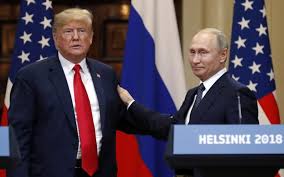
"I do not want to talk about whether or or not I believe that Putin lied,
when he said he did not meddle in the 2016 presidential election."
Donald Trump, July 2018
"I spoke to the Saudis and they deny having had anything to do with the brutal murder
of the journalist Jamal Khashoggi in the Saudi Consulate in Istanbul."
Donald Trump, November 2018
One thing is certain, neither Trump, Pompeo or the Saudi's can place the blame
for Khashoggi's murder in the Saudi Consulate in Istanbul, on Iran.
"I do not want to talk about whether or or not I believe that Putin lied,
when he said he did not meddle in the 2016 presidential election."
Donald Trump, July 2018
"I spoke to the Saudis and they deny having had anything to do with the brutal murder
of the journalist Jamal Khashoggi in the Saudi Consulate in Istanbul."
Donald Trump, November 2018
One thing is certain, neither Trump, Pompeo or the Saudi's can place the blame
for Khashoggi's murder in the Saudi Consulate in Istanbul, on Iran.
To introduce any meaningful discussion of national security, it is absolutely necessary, to first define, the term security (or defense).
Defense (or security), describes a condition, that is a result of the knowledgeable and purposeful establishment and maintenance, of protective measures, that ensure a state of inviolability, from hostile acts or influences of any nature, emanating from a domestic or foreign source.
By this definition, the Russian meddling in the US presidential election cycle of 2016 was (is) a failure of US national security, a failure of our defense apparatus.
The term that identifies the means, the methods and the tools that are employed to defeat the establishment and maintenance of a nation's protective measures, short of a full-frontal assault, is espionage.
The failure of the US security apparatus to counter ongoing attempts by the Russians to steer the Trump administration into more favorable relations with Russia, stems in part, from the reality that Trump has surrounded himself with high-ranking officials that were part of the informal 'never again' group within the US military and security establishment. (The author makes no apology that those wanting to know more about the 'never again' group within the upper chambers of the US military are free to do so on their own volition.) And, that said, a return to the theme of this posting.
Espionage is not a static affair, but a dynamic one.
For example, the recent disclosure by the Washington Post, 23 June 2017, entitled: Putin ordered hacks to aid Trump, damage Clinton, came about because Putin's agents in the US came to know that the communications channels that Putin used when he ordered the hacks had been compromised, and that message had to be conveyed back to the Kremlin. Getting that message back to the Kremlin, without exposing other Russian surveillance capabilities within the FBI/DIA/CIA presented a number of rather substantial difficulties.
It was a case of the lesser of two evils.
Publicly communicating to Putin that the communications channels had been compromised, was clearly less threatening to the Russian espionage network in the US than allowing the Americans to continue to ease-drop on Putin's communications, which Putin assumed were safe.
Therefore, the Washington Post became the conduit of the information back to Russia that let Putin and the Kremlin know that their communications channels had been compromised by the Americans. Espionage is dynamic, not static.
It is high time that we stopped mollycoddling Donald Trump. And just tell the American people, what was done and who did what.
In a nutshell, Donald Trump believed that even after winning the Republican nomination he could not win the presidential election, but he wanted to hurt Hillary Clinton, especially for so scornfully and dismissively casting doubt on the notion that Trump was a billionaire, one who has one-thousand million dollars, not Italian Lira or Rubles. And, other highly public insults delivered at a memorable dinner by an associate.
A previous deal with the banks that Trump owed a king's ransom, had left him with 450,000 dollars a month to live on. To supplement that dowry Trump engaged in money laundering for a rather exclusive list of clients. One must remember that during this time, the FBI had a stock market swindler gangster informant strategically placed in the Trump organization.
Trump wanted to hurt Hillary, he also needed massive amounts of money and to accomplish both of these objectives, he made a deal with the devil.
Money began to flow into every aspect of his businesses and Hillary's problems were made the stock and trade of the Trump campaign for the presidency.
But as Trump has come to realize, the Russians are much bigger than he is.
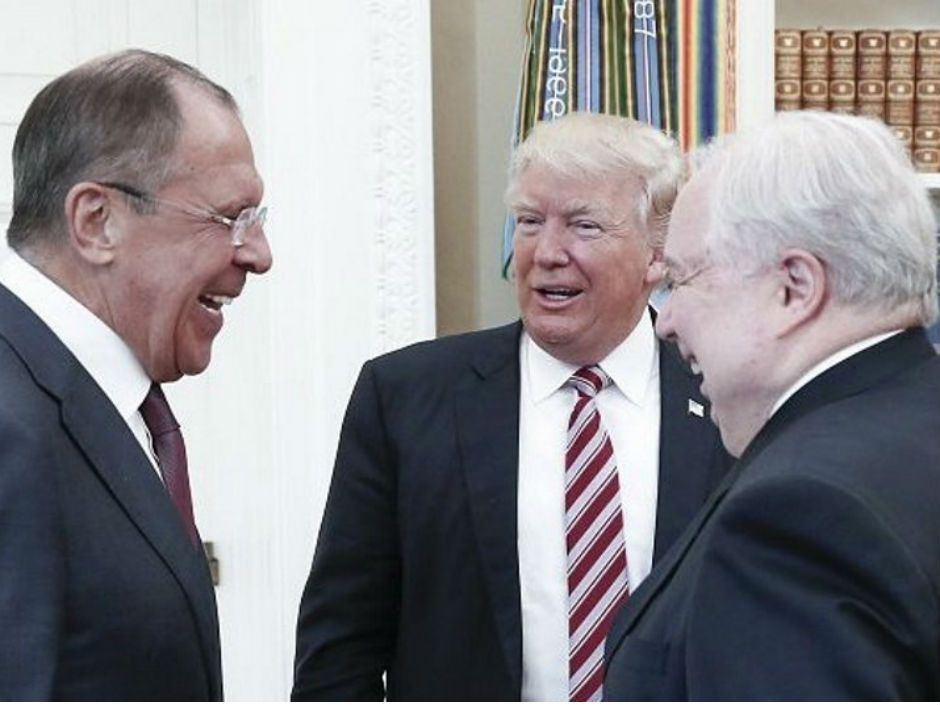
And, the deal with the devil, and the smiling faces and the big laugh in the White House, the 'we did it' moment, will come to haunt Trump and all those who foolishly sought power by joining his doomed bandwagon, inevitably.
In the future, we will speak of the name Trump as Mudd.
Defense (or security), describes a condition, that is a result of the knowledgeable and purposeful establishment and maintenance, of protective measures, that ensure a state of inviolability, from hostile acts or influences of any nature, emanating from a domestic or foreign source.
By this definition, the Russian meddling in the US presidential election cycle of 2016 was (is) a failure of US national security, a failure of our defense apparatus.
The term that identifies the means, the methods and the tools that are employed to defeat the establishment and maintenance of a nation's protective measures, short of a full-frontal assault, is espionage.
The failure of the US security apparatus to counter ongoing attempts by the Russians to steer the Trump administration into more favorable relations with Russia, stems in part, from the reality that Trump has surrounded himself with high-ranking officials that were part of the informal 'never again' group within the US military and security establishment. (The author makes no apology that those wanting to know more about the 'never again' group within the upper chambers of the US military are free to do so on their own volition.) And, that said, a return to the theme of this posting.
Espionage is not a static affair, but a dynamic one.
For example, the recent disclosure by the Washington Post, 23 June 2017, entitled: Putin ordered hacks to aid Trump, damage Clinton, came about because Putin's agents in the US came to know that the communications channels that Putin used when he ordered the hacks had been compromised, and that message had to be conveyed back to the Kremlin. Getting that message back to the Kremlin, without exposing other Russian surveillance capabilities within the FBI/DIA/CIA presented a number of rather substantial difficulties.
It was a case of the lesser of two evils.
Publicly communicating to Putin that the communications channels had been compromised, was clearly less threatening to the Russian espionage network in the US than allowing the Americans to continue to ease-drop on Putin's communications, which Putin assumed were safe.
Therefore, the Washington Post became the conduit of the information back to Russia that let Putin and the Kremlin know that their communications channels had been compromised by the Americans. Espionage is dynamic, not static.
It is high time that we stopped mollycoddling Donald Trump. And just tell the American people, what was done and who did what.
In a nutshell, Donald Trump believed that even after winning the Republican nomination he could not win the presidential election, but he wanted to hurt Hillary Clinton, especially for so scornfully and dismissively casting doubt on the notion that Trump was a billionaire, one who has one-thousand million dollars, not Italian Lira or Rubles. And, other highly public insults delivered at a memorable dinner by an associate.
A previous deal with the banks that Trump owed a king's ransom, had left him with 450,000 dollars a month to live on. To supplement that dowry Trump engaged in money laundering for a rather exclusive list of clients. One must remember that during this time, the FBI had a stock market swindler gangster informant strategically placed in the Trump organization.
Trump wanted to hurt Hillary, he also needed massive amounts of money and to accomplish both of these objectives, he made a deal with the devil.
Money began to flow into every aspect of his businesses and Hillary's problems were made the stock and trade of the Trump campaign for the presidency.
But as Trump has come to realize, the Russians are much bigger than he is.
And, the deal with the devil, and the smiling faces and the big laugh in the White House, the 'we did it' moment, will come to haunt Trump and all those who foolishly sought power by joining his doomed bandwagon, inevitably.
In the future, we will speak of the name Trump as Mudd.

... first novel coronavirus case in Edmonton, Alberta - click on banner to read article


... revolutionary firefighting technique, to debut in Disney-like 'Victory through Air Power' film -

... there is no safety in distant thunder
... the belief that liberal democracy, will prevail over fascism
Under oath, in a court of law, on the 21st of August 2018,
a long-serving associate of Donald J Trump, stated that
he had with full knowledge, violated the law,
'at the direction of ... the candidate'.
And, thus begins,
the long slow walk to the gallows for the Trump presidency.
Many comparisons between our present circumstances
and the tragedy that was the fall of Richard M Nixon are ripe, currently.
And, the concentration has been centered largely upon the legal aspects.
But the removal of a president is both legal and political.
In the case of Nixon, part of the delay of almost two years was to remove
Spiro Agnew from office. And, there was an acceptable Speaker of the House, Gerald Ford.
Neither Pence, the latter-day Agnew, nor Ryan, who is no Gerald Ford, will suffice.
Ryan has voluntarily removed himself from the scene,
the public will come to understand why, in due course.
Tragically, Orrin Hatch, like the president himself, is showing signs of increased instability,
clearly evident in his recent comments about the citizens of New York.
Ultimately, Donald J Trump will have to choose to either resign the presidency, or attempt
to remain and be removed as prescribed by the impeachment clause, or the 25th amendment
as well as watching his children and son-in law,
be prosecuted for crimes of his own making.
Trump's sister quietly stepped down from the federal court to avoid her own
impeachment for her part in the Trump Charity misuse of funds scandal, since she
was a board member. The charity scandal also draws in Ivanka, Eric and Donald Jr
These are indeed perilous times

Whether you are promoting a personal blog, your Twitter account, Instagram or any other social media platform,
or are the owner of a small or large business, this advertising portal is part of one of the largest online means to
present your offer to millions of viewers. Take a moment and click on the banners above.
or are the owner of a small or large business, this advertising portal is part of one of the largest online means to
present your offer to millions of viewers. Take a moment and click on the banners above.
